
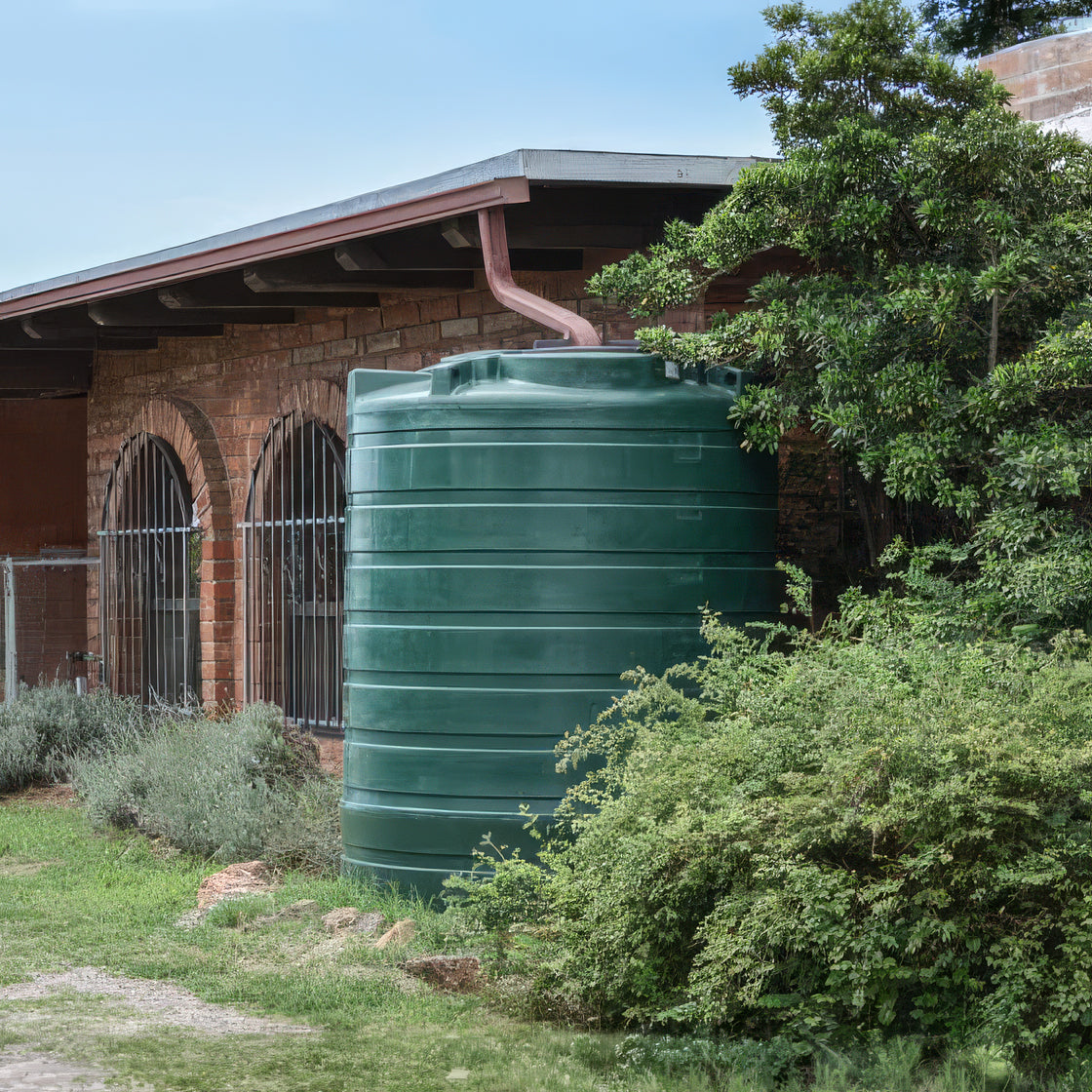
Rainwater Tanks You Can Trust
Conserve water, cut your utility bills, and build a sustainable future. From compact rain barrels to large-scale belowground cisterns, BARR Plastics has supplied durable rainwater storage across North America for over 50 years.

Rainwater Tanks
At BARR Plastics, we provide high-quality rainwater tanks that are perfect for...


Vertical Plastic Tanks
We offer a range of high-quality, durable vertical storage tanks designed for...

Rain Barrels & Accessories
BARR Plastics offers a diverse selection of plastic rain barrels and gardening...

Large Outdoor Rainwater Storage Tanks
At BARR Plastics, we provide high-quality large outdoor rainwater storage tanks to...

Rain Harvesting Filters
BARR Plastics offers a range of rainwater harvesting filters that effectively remove...


Strainer Baskets
Keep debris out of your rainwater harvesting receptacle with strainer baskets. Baskets...

The 12 Pieces Behind Clean, Stored Rainwater
A well-built harvesting setup is more than just a barrel under a downspout. Each component below plays a specific role in turning runoff into a reliable, low-maintenance water source — and BARR Plastics stocks every piece you need to assemble it.

SIZE YOUR PROJECT with our harvesting estimator tool. Plug in your local annual rainfall and the footprint of your collection surface to see how many gallons you can realistically capture each year.
Protect your eavestroughs with GUTTER GUARDS or fine-weave screens. These keep falling leaves, pine needles, and shingle grit from clogging the channels above your downpipes.
Use DROP OUTLETS mounted underneath the trough so water moves cleanly into the downpipe without restriction or pooling.
Add a DOWNSPOUT FILTER or rain head at the top of each vertical pipe. These housings catch organic matter before it travels further and seal pipes against mosquito access during dry spells.
Route water through a FIRST RUNOFF DIVERTER. The opening flush of every storm carries the highest concentration of roof dust, pollen, and droppings — this device isolates that portion away from your storage.
Cap your inlet with a FINE-MESH INLET SCREEN. This is your last barrier against insects, lizards, and small particles before water hits the cistern.
Match the right STORAGE CISTERN to your project. BARR carries vertical polyethylene cisterns, fiberglass models for harsh environments, and GRAF buried systems for properties where space is at a premium. Your sizing should reflect both rainfall patterns and how much water you actually plan to use.
Seal every pipe termination with BUG-GUARD VENTS or backflow flap valves. An AIR BREAK on the overflow line is critical — it stops municipal storm sewers from pushing wastewater back into your cistern during heavy events.
Wire in an AUTOMATIC MAKE-UP CONTROL if you can't risk running dry. The float trigger introduces potable water once your reserve drops past a set threshold, so connected fixtures never lose supply.
Pair the cistern with a properly sized PRESSURE PUMP. Whether you're feeding a drip irrigation zone, livestock troughs, or interior toilet plumbing, the right pump delivers steady flow on demand without short-cycling.
Polish your output with an INLINE CARTRIDGE FILTER downstream of the pump. This stage knocks out any fine sediment, tannin discoloration, and earthy odors that survived the pre-tank screening.
Round out the build with a TANK MONITORING GAUGE. Whether mechanical or wireless, knowing your real-time reserve lets you plan irrigation cycles and spot leaks before they become problems.
Designing your first setup?
Send us your site details and intended use. Our team will spec the cistern, fittings, and accessories for a finished package — no guesswork required.
-

Rainwater Tanks
At BARR Plastics, we provide high-quality rainwater tanks that are perfect for...
-

Vertical Plastic Tanks
We offer a range of high-quality, durable vertical storage tanks designed for...
-

Rain Barrels & Accessories
BARR Plastics offers a diverse selection of plastic rain barrels and gardening...
How much water can your roof actually capture? Move the sliders.
Why Harvest Rainwater?
-

Water Conservation
Use a free natural source for irrigation, washing, and non-potable indoor uses - cutting reliance on municipal supply.
-

Lower Utility Bills
Homeowners and businesses can save up to 50% on water costs by capturing and reusing what falls on the roof.
-

Stormwater Control
Reduce runoff, erosion, and flooding while keeping pollutants out of local waterways.
-

50+ Years of Expertise
Backed by decades of industry knowledge supplying tanks and systems across Canada and beyond.


